If you are charging an a/c system for the first time or hundredth time having issues can happen. Below are typical problems that you could encounter when charging your a/c system.
NOISY COMPRESSOR
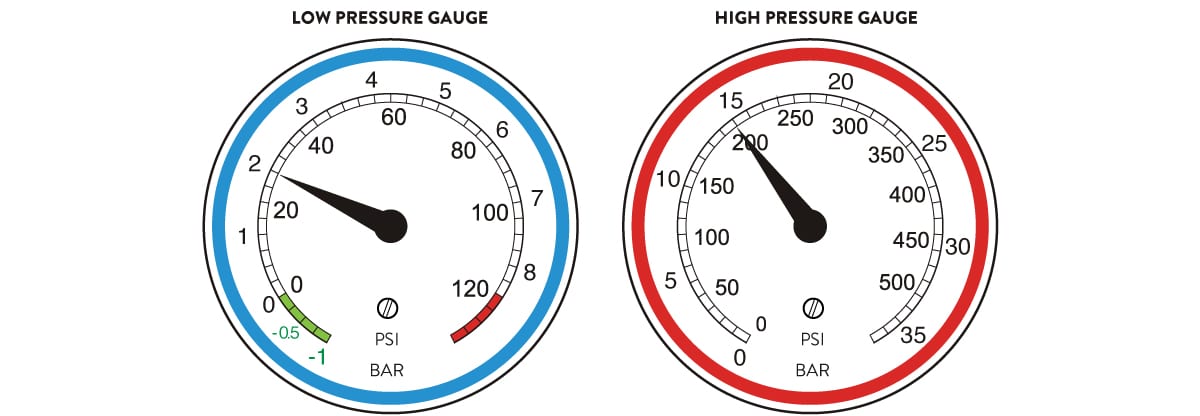
A noisy compressor is generally caused by charging a compressor with liquid or overcharging. If they system is overcharged, both gauges will read abnormally high readings. This is causing a feedback pressure on the compressor causing it to rattle or shake from the increased cyclone head pressures. System must be evacuated and re-charged to exact specifications.
HEATER CONTROL VALVE INSTALLATION
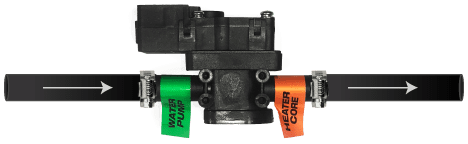
Installing the heater control valve in the incorrect hose. Usually when this occurs the system will cool at idle then start to warm up when raising the motor RPM’s. The heater control valve is a directional valve; make sure the water flow is with the direction of the arrow. As the engine heats up that water transfers the heat to the coil, this overpowering the a/c coil. A leaking or faulty valve will have a more pronounced effect on the unit’s cooling ability. Installing the valve improperly (such as having the flow reversed) will also allow water to flow through, thus inhibiting cooling. Check for heat transfer bu disconnecting hoses from the system completely. By running down the road with the hoses looped back through the motor you climate the possibility of heat transfer to the unit.
EXTERNAL EVAPORATOR FREEZING
Freezing can occur both externally and internally on an evaporator core. External freeze up occurs when the coil cannot effectively displace the condensation on the outside fins and the water forms ice, it restricts the air flow that can pass through it, which gives the illusion of the air not functioning. The common cause of external freezing is the setting of the thermostat and presence of high humidity in the passenger compartment. All door and window seals should be checked in the event of constant freeze up. A thermostat is provided with all units to control the cycling of the compressor.
INTERNAL EVAPORATOR FREEZING
This occurs when there is too much moisture inside the system. The symptoms of internal freeze up often surface after extended highway driving. The volume of air stays constant but the temperature of the air gradually rises. When this freezing occurs the low side pressure will drop, eventually going into a vacuum. At this point, the system should be checked by a professional who will evacuate the system and the drier will have to be changed.

INADEQUATE AIRFLOW TO CONDENSER
The condenser works best in front of the radiator with a large supply of fresh air. Abnormally high pressures will result from improper air flow. Check the air flow requirements by placing a large capacity fan in front of the condenser and running cool water over the surface. If the pressures drop significantly, this will indicate you need better air flow.
INCORRECT/INADEQUATE CONDENSER CAPACITY
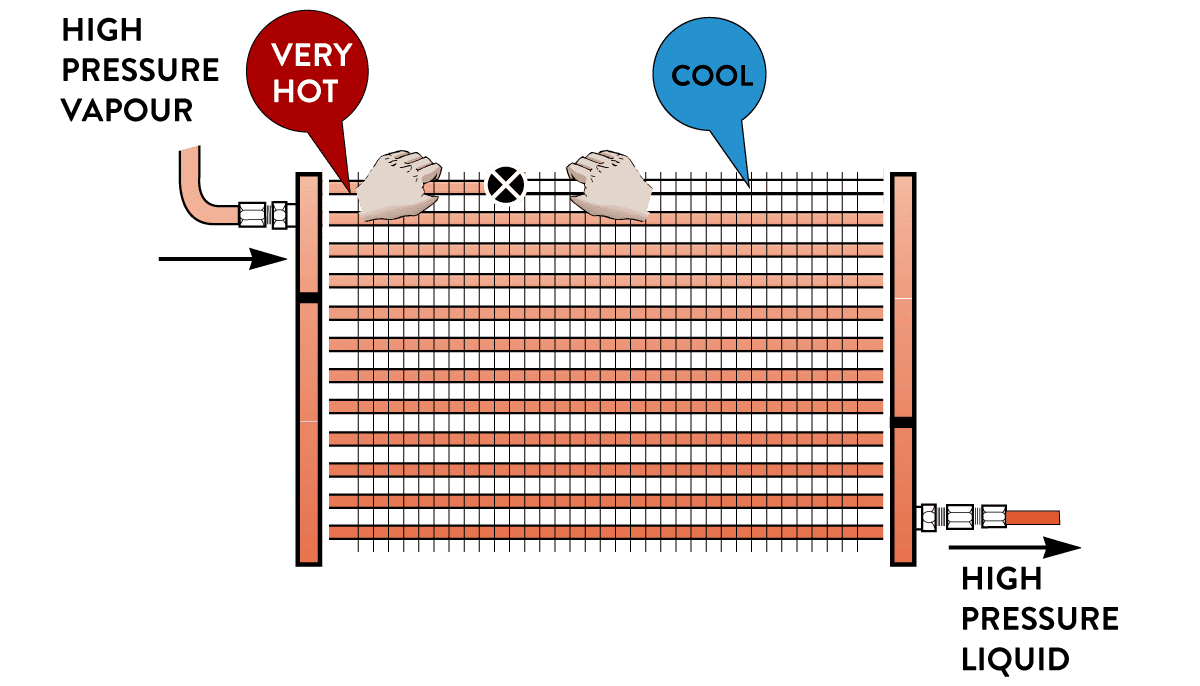
Incorrect condenser capacity will cause abnormally high head pressures. A quick test that can be performed is to run cool water over the condenser while the system is operating. If the pressures decrease significantly, it is likely an air flow or capacity problem.
EXPANSION VALVE FAILURE
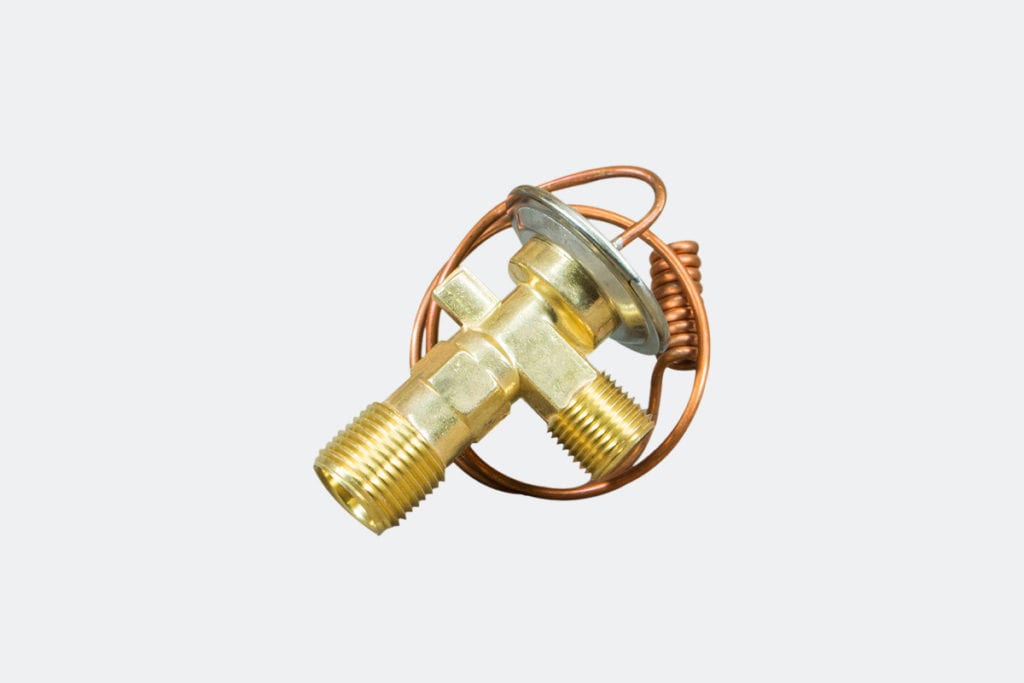
An expansion valve failure is generally caused by dirt or debris entering the system during assembly. If an expansion valve fails it will be indicated by abnormal gauge readings. A valve that is blocked will be indicated by high side that is unusually high, while the low side will be unusually low or may even go into a vacuum. A valve that is stuck open will be indicated by both the high and low pressures rising to unusually high readings, seeming to move forward equal readings on the gauges.
RESTRICTIONS IN SYSTEM
A restriction of the cooling system will cause abnormal readings on the gauges. A high side restriction (between the compressor and the drier inlet) will be indicated by the discharge gauges reading excessively high. These simple tests can be performed by a local shop and can help determine the extent of the systems problem.